
Insurance Virtual Cards: Switch to EFT
By George Ruan • June 26, 2026
If a payer is paying you with a virtual card, you're quietly losing about 3% of every payment. Bomi opts you out of virtual cards and sets up direct deposit so your full payment lands in your account.
You open what looks like an insurance payment and find a credit card number instead of a check or a deposit. That's a virtual card — and if you run it, a processing fee comes straight out of your payment. This guide explains what virtual cards are, why they cost you money, and exactly how to stop receiving them: get the payment reissued as a check, and enroll in EFT (direct deposit) so future payments arrive electronically with no fee skim.
Sections
What is an insurance virtual card?
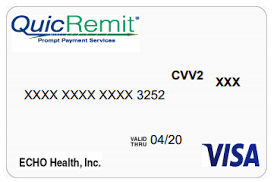
A virtual card (sometimes “vCard” or “virtual credit card”) is a single-use credit card number that a payer or its payment vendor sends in place of a check or a direct deposit. Instead of mailing a paper check or pushing an ACH transfer to your bank, the payer hands you a one-time card number — usually as a fax, an email, or a card printed on a remittance — and expects you to key it into your card terminal to get paid.
You'll often see these come from third-party remittance vendors rather than the insurer's own name. Common ones include Zelis, PaySpan, and Echo Health, among others. The vendor disburses payments on behalf of the plan, which is why the card may carry a processor's name you don't recognize even though the money is from a payer you're contracted with.
Why virtual cards cost you about 3%
Here's the catch: a virtual card is a credit card, so running it triggers a credit-card processing fee — typically around 3% — and that fee comes straight out of your payment. If the payer issued a $200 payment as a virtual card and you run it, your merchant processor takes its cut and you net roughly $194. You did the work, the payer paid the full amount, and a slice of it disappears to a processing fee simply because of how the money was delivered.
That's the whole reason virtual cards exist from the vendor's side — the processing fees are a revenue stream. For a therapy practice, it's a recurring, avoidable leak: a few percent off the top of every payment that arrives this way, month after month. You should not have to absorb a card-processing fee to collect money an insurer already owes you.
Don't run the card — get the payment reissued as a check
The first move is the one that recovers the money you'd otherwise lose: instead of running the card, contact the payer or the remittance vendor that issued it and ask them to reissue that payment as a check. A check carries no processing fee, so you receive the full amount. Vendors can and do reissue when asked. While you wait, simply don't run any virtual cards you receive — a card that's never run can be reissued; a card you've already processed has already taken its fee.
Opt out of virtual cards and enroll in EFT (direct deposit)
Reissuing a check fixes the payment in front of you, but the durable fix is to stop receiving virtual cards in the first place. That means two things with the payer or remit vendor: opt out of virtual-card payments, and enroll in EFT (electronic funds transfer) — ACH direct deposit straight into your bank account. Once EFT is set up, future payments arrive electronically with no processing fee skimmed off the top, and they land faster than a mailed check.
One expectation to set: EFT enrollment isn't instant. It typically takes a few weeks — often around a month — for direct deposit to come online, because the vendor has to verify your bank details and activate the electronic payment route. So the practical sequence is: get the current payment reissued as a check now, ignore any further virtual cards in the meantime, and let the EFT enrollment finish in the background. Once it's live, the ~3% leak is closed for good.
How Bomi helps
Bomi handles this end to end so you never have to think about virtual cards again. When a payment comes in as a virtual card, we read the remittance to identify which vendor actually disbursed it, request that the payment be reissued as a check so you collect the full amount, file the opt-out so that vendor stops sending cards, and enroll your practice in EFT direct deposit. From then on, payments arrive electronically — no card to run, no ~3% fee, no leak.
This article is general information about insurance payment methods. Specific opt-out and EFT enrollment steps vary by payer and remittance vendor.
Getting paid by virtual card and want to switch to direct deposit? We're happy to help — reach us here https://www.billwithbomi.com/#contact.
Want Bomi to handle insurance billing?
Bomi helps therapy practices with benefit checks, claims, denials, balances, CAQH, attestations, and revenue management.
Talk to Bomi about billing